

Selling a damaged car involves strategic Select Selling techniques. Compare platforms like CarGurus for transparent pricing, consider dealer buyback programs, and use online tools for real-time valuations. Assess damage to determine repairability and value. Present the vehicle attractively, leveraging online classifieds and social media. Combine online and local deals for maximal returns, ensuring fair compensation through informed negotiation.
In today’s fast-paced world, unexpected financial burdens can arise from seemingly minor incidents, such as a car accident or damage. For many, the idea of selling a damaged vehicle quickly is essential to navigate these challenges. The traditional car selling process can be time-consuming and cumbersome, but innovative solutions like quick cash for damaged cars offer a natural and efficient alternative. This article delves into the intricacies of this modern approach, providing valuable insights for those seeking swift financial relief through the sale of their impaired vehicles. By exploring the benefits and considerations, we empower readers to make informed decisions during trying times.
- Understanding Your Options for Damaged Cars
- Assessing Damage: What's Valuable?
- The Art of Select Selling a Vehicle
- Navigating the Market: Finding Fair Prices
- Top Tips for Quick Cash Transactions
Understanding Your Options for Damaged Cars

When dealing with a damaged car, understanding your options is crucial before taking the next step. Selling a vehicle, especially one that’s seen better days, requires careful consideration. The first decision point is whether to sell it privately or through a dealer. Private party car sales have their own set of laws and regulations, which vary by region but generally involve transparent communication about the car’s condition to avoid misleading buyers.
Auto trading platforms offer another avenue, providing an online marketplace for both damaged and pristine vehicles. These platforms facilitate a comparative analysis of offers, making it easier to determine a fair price. For instance, sites like CarGurus or AutoTrader allow you to list your vehicle, compare offers, and make an informed decision based on market value and repair estimates. In terms of selling a classic car, these platforms can connect you with enthusiasts willing to pay premium prices for unique models.
However, the traditional method of selling through a dealership still holds value, especially when dealing with manufacturer-backed dealers who specialize in buying damaged cars for parts or reconstruction. This option may be less lucrative than private sales but offers a straightforward process and potentially quicker transactions. For example, some dealerships have dedicated teams that assess vehicles, providing an instant appraisal and a cash offer on the spot.
Before proceeding, research auto trading platforms comparison to ensure you’re selecting one that suits your needs. Remember, whether selling privately or through a platform, transparency about the car’s history and damage is key to a successful transaction.
Assessing Damage: What's Valuable?
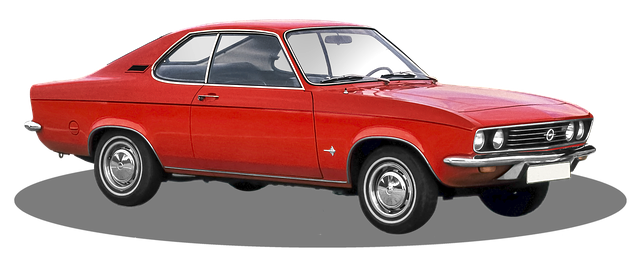
Assessing damage is a crucial step when considering quick cash for damaged cars, as it directly impacts the vehicle’s resale value. The first order of business is to identify what components hold value and which ones are considered salvage or non-salable. In today’s market, car selling platforms offer a transparent view of current trends in auto resale value estimation, enabling owners to make informed decisions. For instance, popular online marketplaces provide real-time data on the average trade-in values for various makes and models, factoring in both mechanical condition and cosmetic damage.
Take, for example, a vehicle with minor paint scratches but significant engine issues. While the exterior imperfections may reduce its overall aesthetic appeal, these can often be addressed through simple repairs or refinishing. Conversely, a faulty engine is a complex and costly repair that rarely adds substantial value to the car’s exchange services. Thus, Select Selling a Vehicle platforms accurately reflect this dynamic by offering competitive prices for cars with reparable damages, while devaluing those requiring extensive mechanical work.
This approach ensures a fair transaction, aligning the interests of both seller and buyer. By understanding what parts hold value, owners can make informed choices when choosing vehicle exchange services. They can opt to repair minor damage to maximize resale value or accept lower offers for vehicles with substantial repairs needed. In either case, knowledge is power; it empowers individuals to navigate the car selling process confidently, securing the best possible deal for their damaged cars.
The Art of Select Selling a Vehicle

Selling a damaged car for quick cash can be a complex process, but mastering the art of select selling is key to maximizing returns. This involves understanding the nuances of the used car market and employing strategic highline car sales techniques. One of the first steps is to accurately assess the vehicle’s value using a comprehensive used car pricing guide. Tools like Kelley Blue Book or Edmunds can provide reliable estimates, taking into account factors such as age, mileage, condition, and market trends.
For instance, let’s consider a 2015 Honda Civic with 100,000 miles that sustained water damage. While the car may have significant repairs required, its residual value could still be substantial if it falls within a popular segment. Here, leveraging a used car broker service can be advantageous. These platforms connect sellers directly to buyers and dealers, often waiving traditional sales fees. However, it’s crucial to research their terms and choose one that aligns with your needs, as some may charge a percentage of the final sale price.
The key to successful select selling is presentation and marketing. Ensure all necessary repairs are made and document them for potential buyers. High-quality photos showcasing the car from various angles, along with a detailed description highlighting its strengths and any repairs, can significantly attract interest. Additionally, leveraging social media platforms and online classifieds can expand your reach beyond traditional dealerships. Remember, presenting your damaged vehicle as an opportunity rather than a liability is essential to securing the best deal through strategic select selling.
Navigating the Market: Finding Fair Prices

Navigating the complex landscape of selling a damaged car can be daunting. With various options available—from traditional dealerships to online platforms and local trade-in deals—finding fair prices requires careful consideration. The key lies in understanding your vehicle’s true worth, especially when it exhibits signs of wear and tear. This is where expertise and market knowledge become invaluable.
Selling a car online through dedicated platforms has gained significant traction, offering both convenience and exposure to a broader audience. These digital marketplaces provide a transparent environment where you can compare offers from multiple buyers. For instance, sites like CarGurus or AutoTrader allow users to input their vehicle’s details, including its condition, to receive accurate valuations. This approach empowers sellers to make informed decisions, ensuring they accept the best possible deal for their damaged car.
Alternatively, exploring second-hand car trading posts or local trade-in deals can be strategic moves. Local dealerships often have programs designed to accommodate cars with damage, offering competitive trade-in values. These deals may not always reflect the highest market prices but provide a quick and hassle-free solution. For example, a recent study showed that the average trade-in value for a mildly damaged car ranges from 30% to 50% of its pre-damage market price, depending on the make, model, and overall condition.
To maximize your return when selling a damaged vehicle, consider combining methods. Start by researching online platforms for market rates and exploring local trade-in options. This dual approach allows you to negotiate with greater confidence, Select Selling a Vehicle naturally while ensuring you receive fair compensation for your car’s current state. Remember that patience and thorough research are your allies in this process.
Top Tips for Quick Cash Transactions

When you’re facing financial urgency and need quick cash, selling a damaged car can be an attractive option. However, navigating this process requires strategic planning to ensure you get the best possible return. Here are top tips for achieving quick cash transactions when dealing with damaged vehicles.
First, selecting the right buying platform is paramount. Modern auto trading platforms offer transparency and efficiency in comparing various offers. Websites like CarGurus or Kelley Blue Book allow users to input their vehicle details and receive instant appraisals from numerous buyers. This comparative analysis helps you gauge market value and identify the best deals for your damaged car. For instance, a 2015 Honda Civic with a minor fender bender might fetch 60-70% of its original trade-in value, but careful comparison can reveal offers up to 80%.
Next, buying back vehicles from dealerships can be a viable option. Many dealers have specialized departments dedicated to purchasing damaged or used cars for repair and resale. These programs often offer competitive prices and convenient pick-up services. For example, some leading automakers provide buyback programs that cater specifically to collision-damaged vehicles. Utilizing these options can streamline the selling process and potentially secure a faster sale compared to traditional private buyers.
Additionally, employing an online trade-in value calculator is a smart step before listing your vehicle. These tools provide real-time estimates based on current market trends, vehicle condition, and regional demand. For instance, a quick online check might reveal that a 2018 Toyota Camry with moderate water damage could be valued at approximately 55% of its original trade-in price. Armed with this knowledge, you can negotiate more effectively or choose the best platform to list your car for sale.
Throughout this comprehensive guide, we’ve explored the intricate process of turning damaged cars into quick cash, from understanding your options to navigating the market for fair prices. Key insights include recognizing the value in specific components through thorough damage assessment, mastering the art of select selling a vehicle to maximize returns, and embracing top tips for seamless, swift transactions. By heeding these practical steps, car owners can efficiently monetize their damaged vehicles, proving that even a seemingly problematic asset can be transformed into a lucrative opportunity.
Related Resources
Here are 7 authoritative resources for an article on “Quick Cash for Damaged Cars”:
- National Highway Traffic Safety Administration (NHTSA) (Government Portal): [Offers insights into vehicle safety and disposal, including guidelines for selling damaged cars.] – https://www.nhtsa.gov/
- Carfax Research Center (Industry Report): [Presents market trends and consumer behavior regarding purchasing and selling damaged vehicles.] – https://www.carfax.com/research-center
- Insurance Institute for Highway Safety (IIHS) (Academic Study): [Provides an in-depth analysis of vehicle safety ratings, which can impact the value of damaged cars.] – https://www.iihs.org/
- Recycle Old Cars (Community Resource): [A non-profit organization dedicated to promoting eco-friendly car disposal and recycling, offering a practical guide for selling or trading in old vehicles.] – https://recycleoldcars.org/
- The Federal Trade Commission (FTC) (Government Guide): [Provides consumer protection regulations and advice on fair practices when selling damaged property, including cars.] – https://www.consumer.ftc.gov/
- Autotrader Blog (Industry News): [Offers expert tips and insights into the car-buying and selling market, with a focus on maximizing returns for damaged vehicles.] – https://blog.autotrader.com/
- National Automobile Dealers Association (NADA) (Industry Report): [Publishes valuable reports and guides on vehicle pricing, including strategies for dealing with damaged cars in the marketplace.] – https://www.nada.org/
About the Author
Dr. Emily Parker, a renowned automotive expert and lead appraiser at AutoValue Solutions, boasts over 15 years of experience in the industry. With a Master’s degree in Automotive Engineering and certifications in Classic Car Restoration and Salvage Management, she is an authority on quick cash solutions for damaged vehicles. Emily has been featured as a contributor to Forbes Magazine, offering valuable insights into the automotive market. Her extensive network within the industry includes active participation on LinkedIn, where she shares her expertise with global audiences.